Healing Springs Animal Hopsital
https://healingspringsanimalhospital.nwsltr.infoPets and the “Winter Blues”
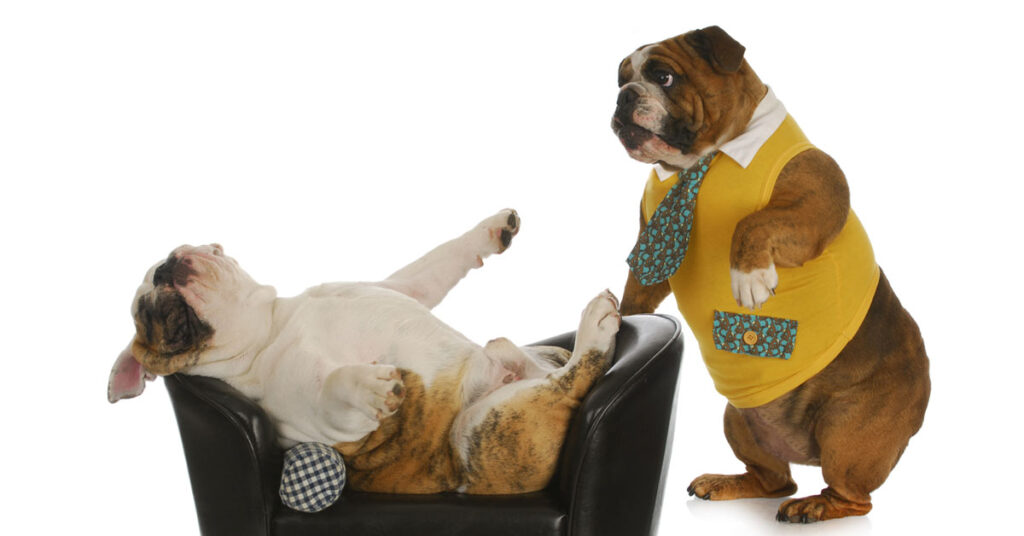
Have you noticed your furry friend acting a little off when the days get shorter and the weather cools down? It’s a good question: while we humans often talk about Seasonal Affective Disorder (SAD) when winter arrives, what about our pets? Do they feel it too?
Could our pets experience something like SAD?
Here’s what we know: In humans, SAD is thought to be tied to reduced sunlight during fall/winter. Less daylight can trigger changes in hormones like melatonin and serotonin, which affect our mood and energy levels.
For pets, the story is similar, but with a caveat. They do have the same basic biological systems (like pineal glands that produce melatonin) and they definitely sense when things change (less walk time, more indoor time). But as of now, there’s no definitive scientific proof that dogs or cats suffer SAD exactly the way humans do.
In short: They might be experiencing a kind of “winter blues,” but it’s likely a mix of factors (less play outside, changed routines, your own mood) rather than the exact human condition.
What may be going on with your pet
If your pet seems a bit down when the seasons shift, it could be due to several things:
- Less daylight/outdoor time: With shorter days and colder weather, your pet may be getting less fresh air and fewer opportunities to explore and move.
- Change in routine: Maybe you’re spending more time indoors, walking less, or the whole family is busier. Pets often mirror the mood and habits of their humans.
- Boredom or lack of stimulation: Indoors more often with fewer changes in scenery or play = potential lethargy or restlessness.
- Medical reasons: Always a possibility. If your pet’s behavior changes significantly (less appetite, extreme lethargy, etc.), talk to your vet first.
What you can do to help your pet feel better
Here are some simple and effective ways to keep your pet happy and comfortable through the winter months:
- Place your pet’s bed or resting spot in a sunny part of the house, or open curtains/blinds during the day so more natural light comes in.
- Try to go outdoors when you can, even short walks during daylight hours help.
- Bring the fun inside: Use interactive toys, play games, engage their minds as well as bodies.
- Spend quality snuggles or bonding time, pets appreciate extra attention when things feel different.
- Keep their routine as consistent as possible: feeding times, walking/play times, sleep. Pets thrive on predictability.
- If you notice more serious changes (e.g., loss of appetite, major behavior shifts), give your veterinarian a call.
A quick reminder from your vet
While your pet might show mood changes during shorter days, that doesn’t automatically mean they have SAD in the human sense. The experts say: “There is no scientific evidence that dogs suffer from seasonal affective disorder exactly as humans do.” But that doesn’t mean we can’t help them feel better. With a little effort, you can make the colder, darker months less “blah” for them, and maybe for yourself too.