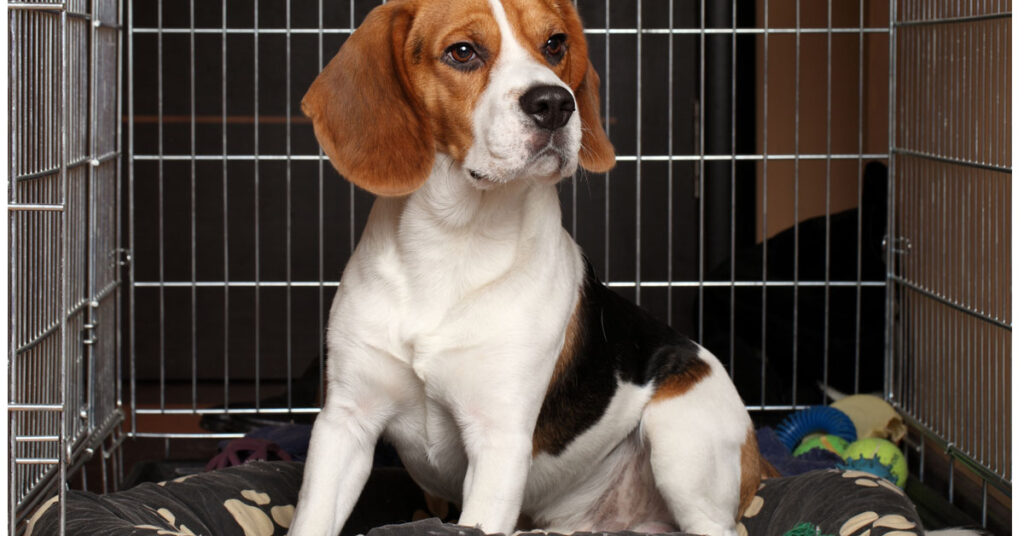
Sharing your life with a dog brings joy, companionship, and comfort, but it also comes with extra mess. While vacuuming fur may become second nature, many pet owners overlook one major culprit of dirt and germs: the dog bed. Left unwashed, it can become a haven for fleas, bacteria, and unpleasant odors. Regularly cleaning your dog’s bed isn’t just good hygiene—it’s essential for your pet’s health and your family’s well-being.
Why Regular Dog Bed Cleaning Is Essential
Washing your dog’s bed goes far beyond eliminating smells. Here’s why it should be a regular part of your cleaning routine:
- Reduces Allergens
Dust mites, dander, and fur buildup can worsen allergies, especially if your dog shares your bed or workspace. Regular washes keep airborne allergens at bay. - Helps Prevent Parasites
Fleas, ticks, mites, and even worms can lurk in bedding. One study found fleas in 14% of pet beds, even outside of flea season. Parasites reproduce rapidly, especially at night, making the bed an infestation hotspot. - Protects Your Dog’s Health
Dirty bedding can cause or worsen infections, particularly if your dog has open wounds or sensitive skin. - Prevents Disease Spread
Harmful bacteria and zoonotic diseases, such as Salmonella, Staph, and Leptospirosis, can be transmitted from pet to human through contact with contaminated bedding. - Extends the Bed’s Life
Regular washing removes grime, body oils, shed fur, and leftover food or treats, keeping the bed fresh and functional for longer.
How Often Should You Wash a Dog Bed?
Experts from the CDC and the Canadian Medical Association Journal recommend weekly washing to reduce health risks. The EPA suggests washing every two to three weeks to help manage fleas.
How often you wash may depend on:
- How frequently your dog uses the bed
- The dog’s coat type (e.g., shedding or oily)
- Outdoor activity level
- Family allergies
- Material and care instructions
For example, a Labrador that loves muddy ponds will need more frequent washes than a clean-coated Poodle that avoids dirt.
When to Replace the Bed
Sometimes, no amount of washing will salvage a heavily soiled or smelly dog bed. If persistent odors remain or the bed looks worn out, it’s likely time for a new one. Likewise, the EPA advises disposing of beds that are heavily infested with fleas.
Regular cleaning of your dog’s bed is a simple habit that can make a big difference in maintaining a healthy, happy home for both you and your pet. Add it to your cleaning calendar—you’ll both benefit.