October is Adopt a Shelter Dog Month, and if you recently brought home a new four-legged family member, congratulations. Adoption day is exciting for us. For the dog, it can also be a lot to take in. A shelter dog may suddenly be experiencing a new house, new people, new smells, new routines and perhaps new pets all at once. Giving your new dog a little time and structure can make those first days easier for everyone.
Start with a calm first few days
You may be eager to introduce your new dog to family, friends and neighbors, but I usually recommend keeping things fairly quiet at first. Show your dog where to find food and water, where to sleep and where you expect bathroom breaks to happen. Keep walks manageable and begin establishing a predictable schedule. Dogs often become more comfortable when they know what comes next. Regular meal times, walks, bathroom breaks and bedtime can help a new dog begin to understand that this is home.
You may also see your dog’s personality change as he or she becomes comfortable. A dog who seems very quiet on the first day may become considerably more playful a week or two later.
Take introductions slowly
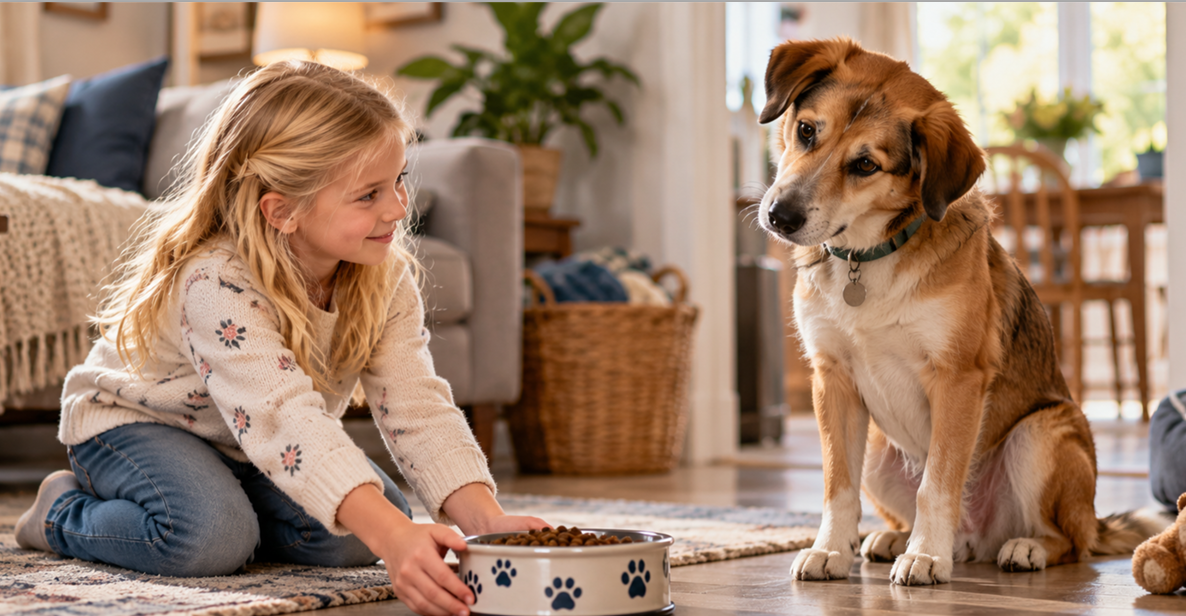
If you already have dogs or cats, supervise those early introductions carefully. Give each pet some personal space and make sure your resident pets can still get to their usual food, water, beds and favorite resting places. Do not be discouraged if everybody needs a little time to adjust. Some animals become companions quickly. Others need repeated, calm encounters before they feel comfortable sharing their home. Young children should also be taught to give a new dog some breathing room, particularly when the dog is eating, sleeping or settling into a favorite spot.
Keep food changes gradual
Ask the shelter what your dog has been eating. If possible, continue with the same food initially and make any desired change gradually. A sudden change in diet combined with the excitement and stress of moving into a new home can contribute to an upset stomach. This is also a good time to pay attention to how much your dog is eating and drinking, along with bowel movements and bathroom habits. Those observations can be helpful when you visit your veterinarian.
Check identification and the microchip
Make sure your new dog has a secure collar and identification tag with your current phone number. If your dog already has a microchip, confirm that the chip is registered to you and that the contact information is correct. A microchip can only help reunite a lost pet with the owner when someone can use the registration information to reach you. If your new dog is not microchipped, ask your veterinarian about having one placed.
Schedule that first veterinary visit
I recommend having your newly adopted dog examined soon after coming home. Bring every medical record and document provided by the shelter. Your veterinarian can review vaccination history, spay or neuter status, parasite testing and prevention, medications, nutrition and any health concerns that were identified before adoption. It also gives us a chance to establish a health baseline for your new pet.
At Healing Springs Animal Hospital in Galax, we provide wellness examinations, vaccinations, microchipping, surgery and other veterinary care for dogs and cats.
If your dog came from the Galax Carroll Grayson Animal Shelter, we are always happy to review the records they sent home with you and help you determine what comes next.
Give the relationship time
One of my favorite things about shelter dogs is watching them realize they are home. That may happen quickly, or it may happen little by little. Keep the routine consistent, provide plenty of affection without overwhelming your new pet, and give him or her time to learn about the family. Before long, it may be difficult to remember what the house was like before your new dog arrived.
Dr. Jenkins
Healing Springs Animal Hospital
Galax, Virginia