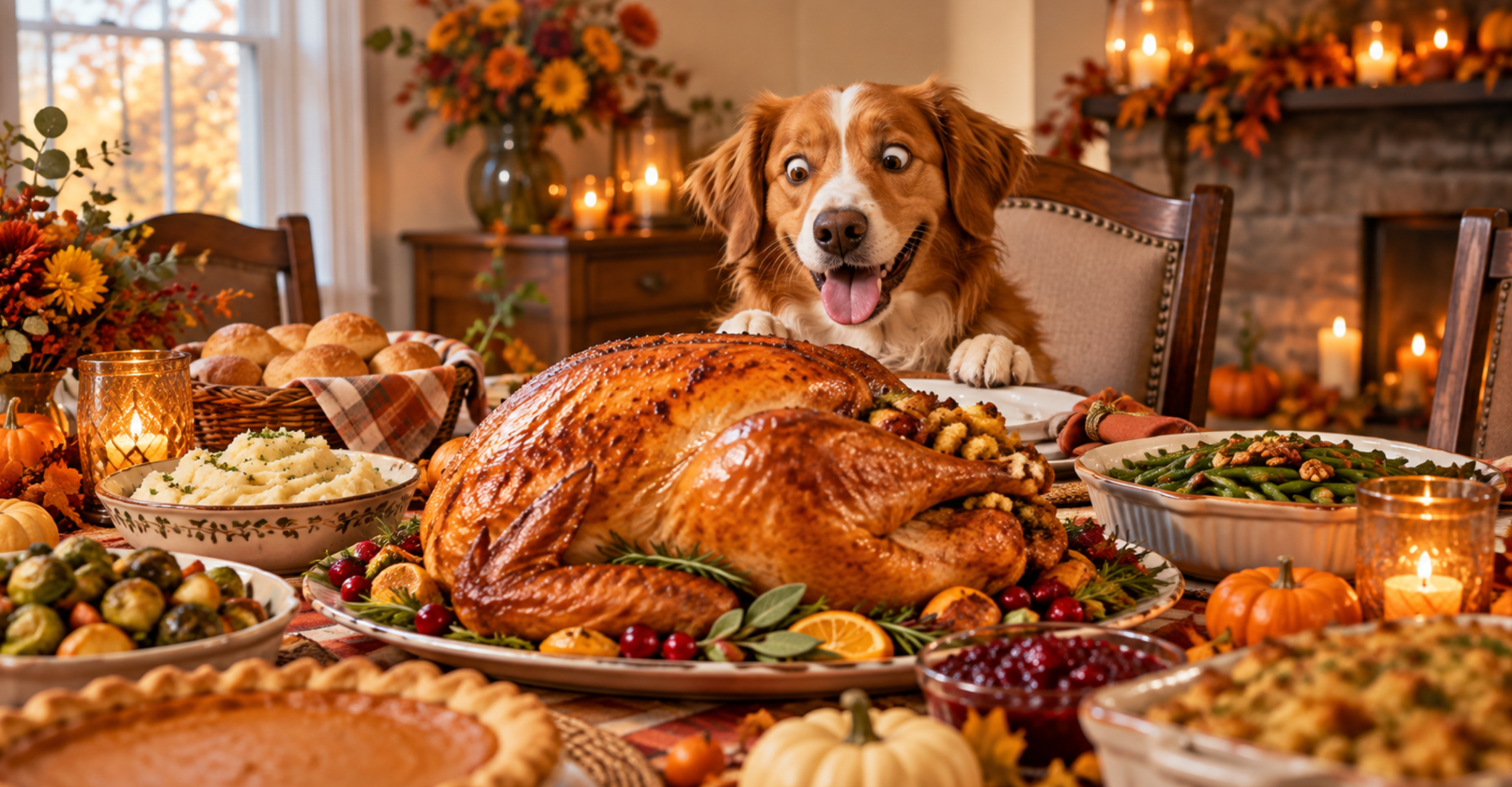
You may be surprised to learn that many foods perfectly safe for us can be dangerous to our pets. Over the next several weeks, we’ll be in good spirits, and there will be food all over the house. While your dogs may be practicing their best pitiful faces for begging, cats may be employing their best stealth techniques for food heists. The best plan is to have dog or cat treats handy if you want your pets to enjoy the holidays with you. We all break down and share a little human food from time to time, so here are some good things to know.
Macadamia Nuts
Macadamia nuts can make dogs ill, sometimes after a fairly modest amount depending on the dog’s size. Symptoms usually appear within about 12 hours and can include weakness, wobbling, vomiting, depression, tremors and an elevated body temperature. Fortunately, most affected dogs recover within 12 to 48 hours, although more severe cases may need veterinary treatment. Dogs are the domestic species in which this particular toxicity has been documented.
Peach and Plum Pits
The flesh of these fruits is not our main concern. The pits, along with some other parts of plants in the Prunus family, contain compounds capable of releasing cyanide. A dog who swallows a large pit also faces the more mundane but potentially serious problem of an intestinal obstruction. Throw pits away somewhere your dog cannot raid them later.
Raw Yeast Dough
Raw bread dough can continue rising after a pet swallows it. Inside the warm stomach, that expansion can cause painful bloating and may contribute to a dangerous stomach emergency. Fermenting yeast also produces alcohol, so a dog who gets into uncooked dough can develop alcohol poisoning as well. That pan of rolls rising on the counter deserves a spot well beyond the reach of an opportunistic dog.
Chocolate
Of course, chocolate belongs on the list. Chocolate contains methylxanthines, including theobromine and caffeine, which can cause vomiting, diarrhea, restlessness, abnormal heart rhythms, tremors, seizures and, at sufficiently high doses, death. Dark chocolate, baking chocolate and cocoa powder generally contain much higher concentrations than milk chocolate. Dogs account for most chocolate poisonings because they are much more inclined to eat large quantities, while cats do not taste sweetness the way we do and are less likely to gorge on it. ASPCA
Xylitol
This one has become much more important since I first wrote about holiday food hazards years ago. Xylitol is a sugar substitute found in some sugar-free gum, candy, baked goods, peanut and nut butters, toothpaste and other products. In dogs, even a relatively small dose can trigger a rapid release of insulin and cause dangerously low blood sugar, while larger exposures can result in severe liver injury. Check ingredient labels on sugar-free products, particularly anything a dog might find appealing. Merck Veterinary Manual
Onions and Garlic
Onions, garlic, chives and related plants can damage red blood cells in dogs and cats and lead to anemia. Cats are particularly susceptible, and concentrated forms such as onion powder, garlic powder, dried flakes and soup mixes can present greater risks than owners sometimes realize. Garlic is actually more potent than onion, with current veterinary references estimating it at roughly three to five times the toxicity. Clinical signs may be delayed for several days and can include weakness, pale gums, rapid breathing and dark or reddish urine. Merck Veterinary Manual
Grapes and Raisins
Grapes and raisins can cause acute kidney injury in some dogs, and the amount required is frustratingly unpredictable. Tartaric acid is now believed to be the likely toxic component, which may help explain why toxicity varies among individual grapes, raisins and dogs. Vomiting or diarrhea may begin within six to twelve hours, with kidney injury developing over the following day or two in serious cases. Because we cannot reliably predict which dog will become ill after a particular amount, any meaningful grape or raisin ingestion deserves a call to your veterinarian. Merck Veterinary Manual
Bones and Corn Cobs
Okay, these aren’t toxins, but they still deserve honorable mention. Bones can splinter, injure the digestive tract or become lodged, while corn cobs are remarkably good at becoming intestinal foreign bodies after a dog swallows a large piece. Holiday trash cans are often full of exactly the things dogs find most interesting, so the garbage deserves some attention too.
I hope we haven’t thoroughly terrified you, but it is useful to remember that different species can react very differently to the foods we eat. If you want to share a treat, a small amount of plain, cooked, lean meat with the bones and excess fat removed is usually a much safer choice. Better yet, keep some dog and cat treats handy and let your pet join the celebration with something made for them.
If your pet does get into something questionable, call us and tell us what was eaten, approximately how much, your pet’s weight, and when it happened. Those details can make a big difference in deciding what needs to happen next.
Dr. Jenkins
Healing Springs Animal Hospital
Galax, Virginia
SOURCES
Merck Veterinary Manual. Macadamia Nut Toxicosis in Dogs. Reviewed September 2024. Merck Veterinary Manual
Merck Veterinary Manual. Grape, Raisin, and Tamarind Toxicosis in Dogs. Reviewed September 2024. Merck Veterinary Manual
Merck Veterinary Manual. Garlic and Onion (Allium spp) Toxicosis in Animals. Reviewed September 2024. Merck Veterinary Manual
Merck Veterinary Manual. Xylitol Toxicosis in Dogs. Updated June 2025. Merck Veterinary Manual
ASPCA Animal Poison Control Center. People Foods to Avoid Feeding Your Pets.